
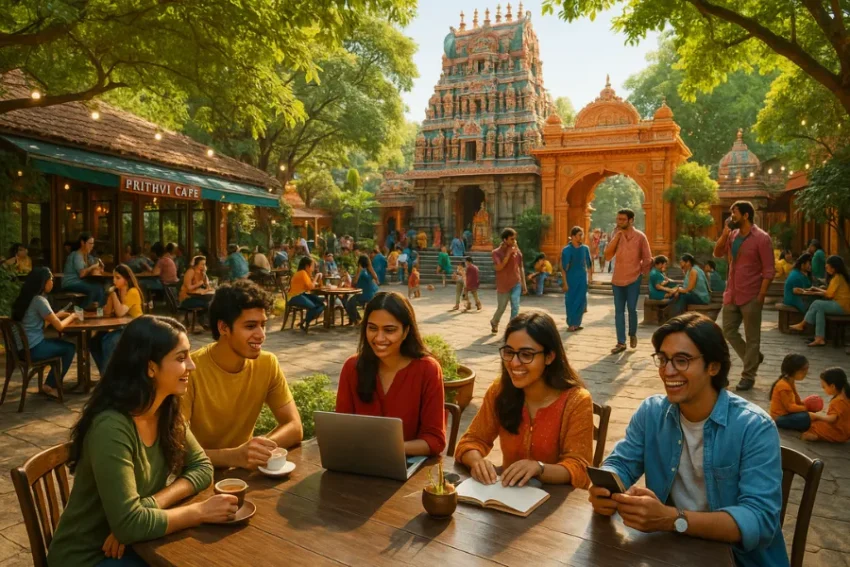
Back a few years ago, meeting friends at some local café or hanging out in the community park in the evening felt normal. Nowadays it seems like a lot of people just go home… then work, and then back home again, like a loop. And because of that, loneliness is creeping up, more than it used to. Some researchers even talk about the “Loneliness Epidemic” ,and they say it hits people across different ages. Sure, technology keeps everyone connected online but still, many folks miss the real stuff, like face to face chatting, and those small, meaningful moments you can’t really copy and paste. So this Third Place Crisis is a big clue, it shows we need extra spaces beyond home and work, places where our emotional well-being can actually breathe.
Why Third Places Matter, more than Ever
Think about the spots where people naturally end up. Like a library, a gym, a café, or maybe a local neighborhood park. Those are called third places, they are separate from home and work. Basically they give people a chance to unwind and connect without this constant pressure.
And that is exactly why third places matter, more than ever. They create openings for laughter, real chats, and even friendships that you just sort of end up with. Also they help build a feeling of belonging. Meanwhile, when someone spends too much time by themself, it can quietly fuel stress and anxiety, you know?
Because of this loneliness epidemic, a lot of people are looking for ways to rebuild meaningful relationships again. Luckily, even small everyday interactions can make a surprisingly big difference. Strong social connection and mental health they seem to move together, at least in a pretty natural way. When people feel included, and actually noticed, they often also report more happiness and less emotional strain, like it just sits easier in the mind.
The hidden effects of social isolation
At first, staying by yourself can feel oddly calm. Still, long stretches of isolation can quietly mess with both your mind and body, not all at once but it builds up. The Effects of Social Isolation tend to show as higher stress, spotty sleep, lower drive, and that low, heavy mood that won’t exactly leave. Some studies even hint that loneliness, in a indirect way, can also touch physical health.
What’s interesting is that professionals often link emotional health with physical wellness in a pretty similar way. Like, if someone is searching for ways on how to improve gut health they’ll usually be nudged toward healthy habits, and stress management too. Taking care of your emotional health also needs some daily attention, along with real and meaningful connections with others, not just being around people in a casual way.
Sadly, the Loneliness Epidemic has left a lot of people feeling slightly out of place, like they’ve been cut off from their communities. So now, reconnecting doesn’t feel optional anymore. It’s more important, than ever, to look for small routes back into the world.
Community Places for Mental Wellness can really change lives
A friend of mine started going to weekend yoga get-togethers after moving to a new city. At first she just wanted some movement and exercise, nothing more. but soon she found a few familiar faces and she ended up in a supportive circle. Little by little, her stress went down, and she felt more hopeful, like lighter inside.
Stories like this are why Community Spaces for Mental Health matters. These places allow people to communicate, share their real-life stories, and give each other emotional support. Whether it’s volunteering, jumping into a book club, or taking part in fitness classes, each small encounter adds a bit more trust and togetherness.
Also, balanced relationships boost Mental Health, and Community at the same time, which is important. People often feel more respected when they are part of something larger than their own daily routines, you know. After that, confidence seems to build up, and the emotional rebound happens a little more naturally overall. It’s like a small shift, even if everything else stays the same.
How We Can Tackle the Third Place Crisis
Here’s the upside of all this : small changes can totally make a real difference. Like, try stopping by local parks, cafés, or maybe community events, and just see what feels natural. Maybe you end up in a club that fits your interests and your mood, depending on the day. But really, above all, make room for face to face chats with actual people, you know.
Even if modern life seems nonstop, human beings still need connection. The Third Place Crisis is basically pointing to something simple: happiness isn’t only built at home or inside work. It shows up in those ordinary shared moments and in relationships that feel genuine, not like they’re forced or performed.
Because loneliness affects so many people, it’s becoming clearer that rebuilding social connections isn’t just nice to have, it’s becoming something people really need. Better mental health often starts when people gather and talk. Usually it’s just a little conversation, or even a warm friendly smile that does the job, reminding us we’re never truly alone.