
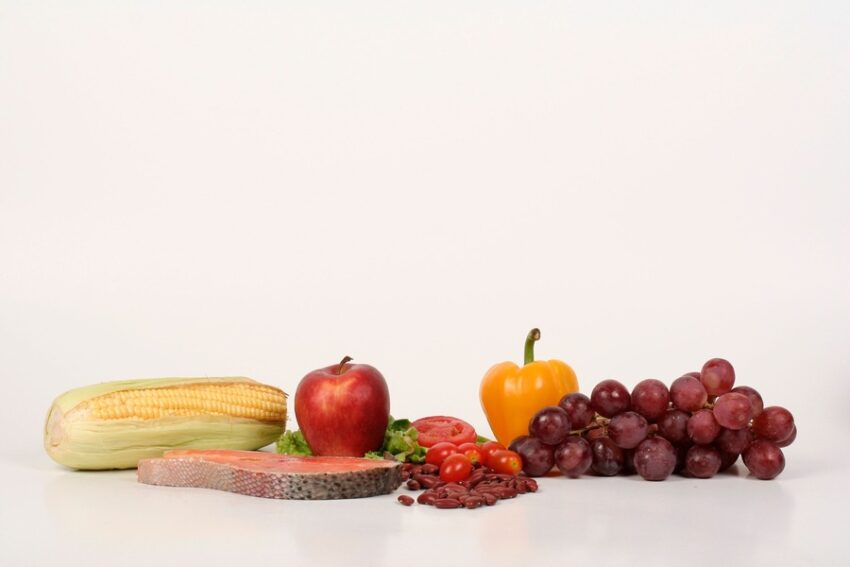
The old fashioned way to eat healthy was to follow a diet plan that was designed to eliminate certain foods to avoid: less sugar, less carbohydrates, no fried foods, and smaller servings. What if there’s a better way to eat, though? This is exactly the premise of the Nutrient-Dense Foods. You utilize your plate differently from thinking of it as a battlefield. You pile onto your plate all foods that give you more nutrition in every bite.
What “nutrient density” means
The concept of nutrient density means the amount of health-related stuff a food provides in relation to the amount of calories you consume. Leafy greens, lentils, berries, eggs, and Greek yogurt can be great sources to provide vitamins, minerals, proteins, dietary fiber, and healthy fatty acids. However, in the case of highly processed foods, they might also give a high amount of calories yet, they can hardly contain many essential nutrients.
You do not have to call foods “good” or “bad.” Try a more even approach. Add spinach to the omelet. Add fruits to yogurt. Include beans in a rice bowl. These adjustments can help improve a dish without seeming like a hard and fast guideline.
That’s the point of Nutrient-Dense Foods in your life! You do not need a flawless plan. Just keep choosing nutrient rich options often, and keep doing it over time.
Add Before You Subtract
Picture lunch time. You sit down and ask, “What can I take out?” Then try this instead: “What can I put in?”
Perhaps your sandwich would come alive with crisp vegetables. Your pasta might get better company with mushrooms, peas, or grilled chicken. What seemed more like a snack could become a meal if you add fruit and nuts. By doing so, you will realize that Healthy Food choices were never meant to be a torture but something you are actually welcome to.
Eating tasty and healthy food is also great for making one feel full for longer. Many of these foods bring along fiber, protein, and extra volume in your meal. Over time, you may find you want less of the packaged, processed stuff.
The aim is not perfect eating. You are making meals that fit your day. That is why a Nutrient-Dense Foods Diet can be easier to stick with than a plan based on steady limits.
Create a Plate that Works for You!
You can make choices without doing complicated calculations, using a simple plate. Begin with a large amount of vegetables or fruit. Then top with protein eggs, fish, chicken, tofu, beans or yogurt. Incorporate whole grains or other types of complex carbohydrates and add healthy fats such as nuts, seeds, avocado, or olive oil.
The mix contributes to adding variety and making meals more appetizing. Whole Foods can add a variety of textures and taste, making eating interesting.
If you aim to lose weight, then perhaps you have looked for the most effective best diet plan for weight loss. But the most restrictive plan is not the best plan. A sustainable plan is to consider balanced meals, portion sizes, regular exercise, adequate rest and things that can be repeated. Rather than eliminating any foods that you like, make your current foods healthier.
The Nutrient Density Shift in Daily Routine
You don’t need to completely shake up your kitchen at once. Start with just one meal. For lunch, swap the starchy part for some vegetables. If you like, eat fruit for breakfast instead. You may also want to enrich your favorite curry with beans. Or keep some nuts at hand for snacking purposes.
Then pay attention to how you feel. Are you feeling satiated? Or satisfied? Do you enjoy food more? Observations will help you form certain habits.
At the end of the day, the Nutrient-Dense Foods is about asking different questions. Instead of asking yourself about what you should subtract, think of what your body needs. Nutrient dense foods will help.