
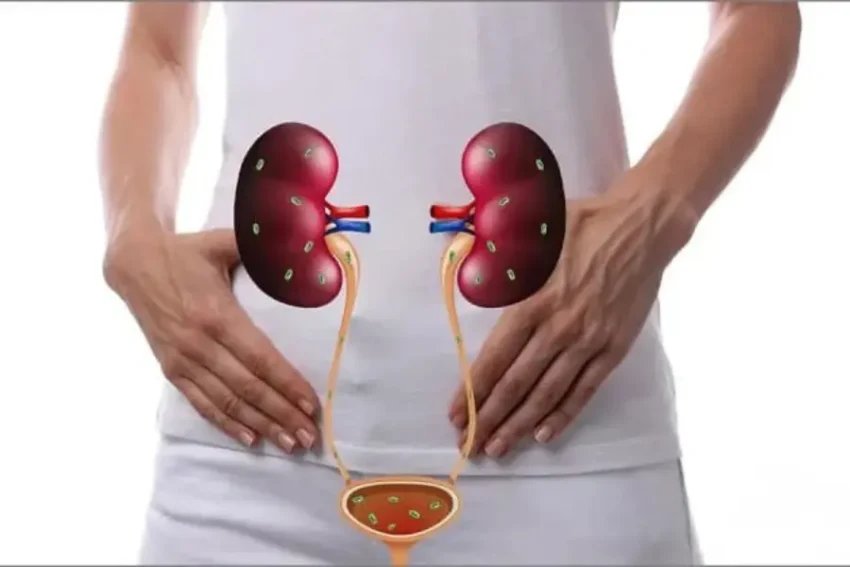
The condition starts to develop in a silent manner. You wake up at night more than usual. The meeting duration extends because you keep looking at the clock. Your initial suspicion about your water consumption proves incorrect.Your mind now starts to question whether something more serious exists between your two diseases. People often fail to recognize the connection between stress and their need to urinate because they experience mental exhaustion and maintain physical fitness.
The body requires emptying its bladder at regular intervals which proves to be a medical condition. The bladder control of an individual depends on the internal balance system which operates within their body. Your urge to urinate gets determined by the combined effects of your hormones, minerals, gut health and emotional stress.
Let’s uncover what your body might be trying to say.
Hormonal Imbalance: When Signals Go Off Track
The body uses hormones as its communication system. Our body uses these chemical messengers to control organ function by sending signals for their operation and rest periods and acceleration of their activities. The body develops abnormal urination habits when the body loses its ability to maintain stable hormonal signals.
This process is controlled by the stress hormones and their purpose. The body experiences high cortisol levels: this is because extended periods of stress lead to an increase of the same. This happens because the body loses its ability to keep fluids as this condition affects antidiuretic hormone (ADH) function. The body produces more urine when ADH levels decrease.
Thyroid hormones can also contribute. The body experiences increased metabolic rate and kidney performance and fluid distribution when the thyroid gland becomes overactive. The bladder now fills at an accelerated pace.
The combination of stress and frequent urination occurs in people who undergo burnout and emotional exhaustion and major life changes. The body remains in survival mode when emotional threats exist but physical threats do not.
Electrolyte Imbalance: The Silent Trigger
Electrolytes maintain control over fluid distribution in the body. Sodium and potassium and magnesium and calcium assist the communication process between your cells while they maintain proper hydration levels. The kidneys start to work when blood mineral levels drop below acceptable levels.
The body uses low sodium levels to increase urine production which results in water loss. Low potassium levels lead to problems with bladder muscle functions. Magnesium deficiency increases nerve sensitivity which makes people feel the need to urinate when their bladder contains less than its complete capacity.
The condition worsens because dehydration results in more severe symptoms. The human body uses water to create concentrated urine which results in bladder lining damage. This condition results in increased bathroom visits.
The body experiences ongoing mineral loss because of multiple urination events which create a frustrating situation that seems impossible to overcome.
How Gut Health Influences Urinary Frequency
People tend to underestimate the extent of communication between their gut and bladder functions. Unhealthy colon inflammation and nerve imbalance are interrelated.
The toxins thrown off by pathogenic intestinal bacteria compel the intestines to unveil high permeability. This condition enables toxins to move freely through the body while damaging nearby organs, which include the bladder. The body experiences excessive digestive pressure, which leads to increased activation of the vagus nerve that controls gut and brain and bladder functions.
- Your diet should include fiber-rich vegetables and seeds and whole grains.
- You should add fermented foods to your diet which include curd and kefir.
- You should reduce the level of ultra-processed foods and high-sugar foods.
- Chewing food also helps in the digestion process and thus you should take your time when chewing food.
- You should establish fixed times for your meals.
The body experiences nerve signal stabilization as gut balance improves. Many people notice fewer bathroom trips within weeks. The relationship between these two factors becomes stronger when people experience stress together with frequent urination because stress causes direct damage to their digestive system.
The Stress-Bladder Loop You Didn’t Notice
Stress exists beyond mental boundaries because it creates muscle tension which results in increased nerve activity and perpetual body alertness. The bladder uses its constant tension to create false signals of urgent need to urinate.
You may notice symptoms worsen during anxiety, deadlines, or emotional overwhelm. The feeling of urgency exists as a real experience which people with interstitial cystitis face even when there is no infection or disease present.
The loop demands that people first establish control over their nervous system functions. Bladder-brain communication becomes restored through deep breathing and slow walking and journaling and people who practice regular sleep patterns. Bladder sensitivity decreases when psychological stress levels decrease.
The relationship between stress and frequent urination shows better results when people achieve emotional stability.
Listening to Your Body’s Patterns
Frequent urination is not a random inconvenience. It functions as a message. Your bladder provides evidence for hormonal changes and mineral deficiencies and gut disorders and emotional distress.
The first step requires you to search for patterns instead of hiding your symptoms. You should observe the times and the specific events and the different emotional states that occur. The initial treatment of minor issues leads to major relief results.
The body establishes safety which causes all its systems to function normally. Your peace returns to you through the restoration of equilibrium which occurs during your uninterrupted sleep at night.