
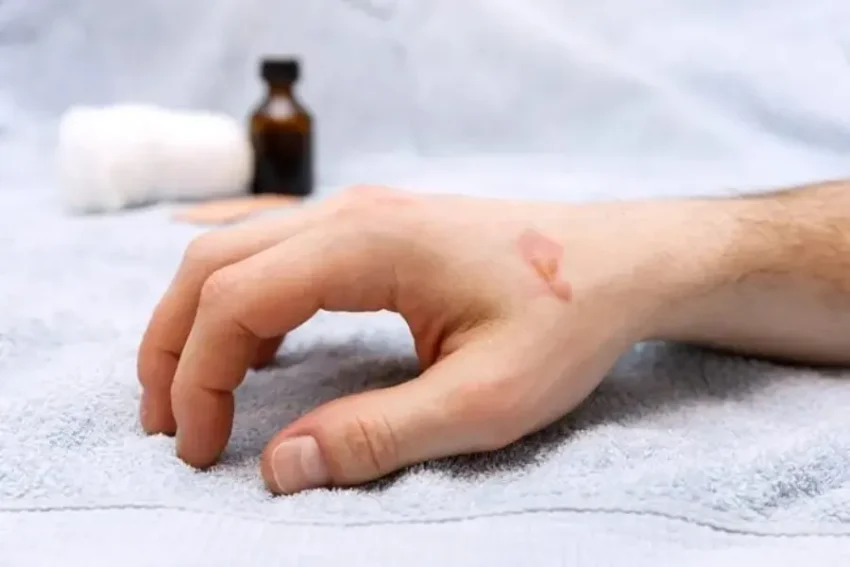
One morning, once more you rise tired. No high temperature. No obvious disease. Nevertheless, your body is still and in a bad mood. Chronic inflammation symptoms have no drama and warning at all; this is how they often begin. Inflammation rarely acts loud. It may occasionally be perceived through minor troubles that you gradually get accustomed to. Little by little, those little signs turn into a habit that your body cannot conceal anymore.
The Silent Signals We Ignore
Inflammation is generally a natural process that aids the body in healing, but when it does not turn off, that is when the problems begin. Symptoms such as bloating after eating simple meals, stiffness in the joints upon getting up, and skin that reacts for no apparent reason may be noticed. Brain fog, low mood, and constant fatigue are often symptoms that come together. These symptoms seem to be connected though they are very different from each other, and so we try to manage them one by one which results in a longer delay in finding the real cause.
Chronic inflammation is sometimes not noticeable and consequently people do not consider it as a medical condition. Frequent headaches, sudden sugar cravings, or slow recovery after workouts are the most common symptoms which seem to be harmless and thus often go unnoticed for years. People usually blame these on stress. Though stress plays a part in this, it also aggravates inflammation when not managed properly. Your body stays on high alert even during times of rest.
When the Gut Becomes the Messenger
Your gut usually gives the first signal. The primary symptoms comprise poor digestion, gas, constipation, or diarrhea. The lining of the intestine acts as a sieve. When it becomes thinner, toxins are able to enter the blood circulation and cause immune reactions. This inflammatory process is very quiet but spreads throughout the body.
Gut health improvement can be a fire extinguisher for the body. The initial steps can be just changing habits. Incorporating habits such as taking time to eat, chewing food well, eating more vegetables, seeds, and whole grains for fiber content, consuming yogurt and kefir for healthy gut bacteria, and reducing ultra-processed food which can damage your gut lining will lead to positive results over time, even though these changes are only small and play a powerful role in how to improve gut health naturally.
Habits that promote chronic inflammation
Modern life is pushing pro-inflammatory habits on people. Being seated for long periods is a major reason to slow down blood circulation. Staying up late is another reason to have the body repair cycle interrupted. Eating continuously keeps the insulin high. Emotional suppression also has its share in causing inflammation. When certain feelings are not expressed, the nervous system remains tense. This tension keeps on providing chronic inflammation symptoms with energy every now and then.
Dehydration is another important factor; however, hydration is more important than we often think. Losing even a small amount of moisture from dehydration thickens the blood and increases the burden on detoxification pathways. Engaging in exercise has the benefit of eliminating waste materials produced by metabolism in the body via perspiration and lymphatic circulation. Mild stretching or yoga, walking or meditative exercise make it possible to bring the body’s inflammatory responses to a normal level without exhausting the person.
Rewriting the Body’s Story
Healing inflammation is not about extreme plans. It is about listening. Notice how your body responds after meals. Track energy dips. Respect sleep cues. When you support gut health, balance blood sugar, and manage stress, inflammation begins to soften. Your body remembers safety.
One woman I worked with believed her fatigue was normal. She changed nothing dramatically. She fixed sleep timing, added fermented foods, and walked daily. Within weeks, her digestion improved. Her skin cleared. The background exhaustion faded. Her body was never broken. It was overwhelming.
Another overlooked clue appears in immunity changes. You may catch colds often or feel slow to recover. That lag signals immune overload. When the system stays busy, repair suffers. Over months, chronic inflammation symptoms reshape how the body reacts to daily life. Awareness creates choice. Choice creates healing. Pay attention sooner rather than later. Early care prevents deeper imbalance. Small corrections today protect hormones, metabolism, and mental clarity tomorrow. Your body always communicates. Learning its language changes everything. Consistency, patience, and self respect guide the recovery process forward.