
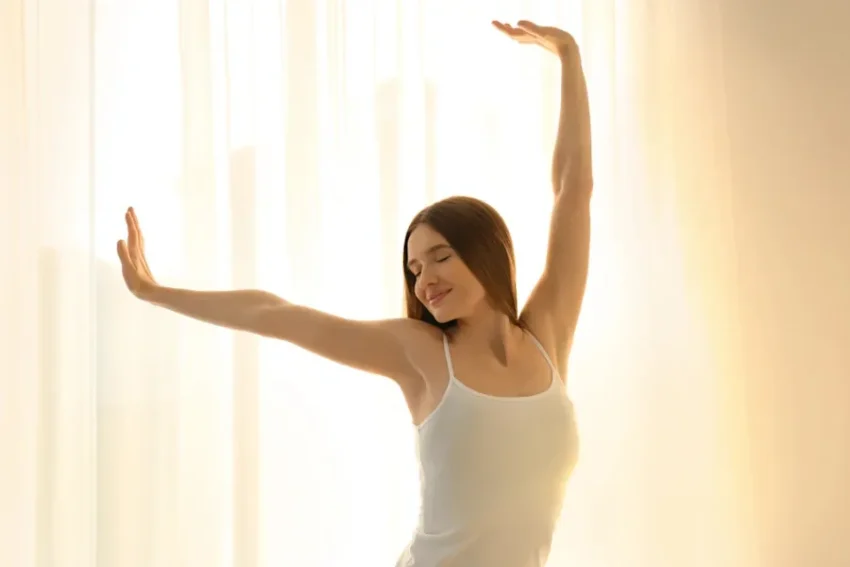
Last Sunday, Emma woke up without an alarm, and I mean really without one. She passed on her morning workout, made a calm breakfast, and spent about twenty minutes just sitting by the window. For once she did not feel bad about “wasting” time, it was more like she noticed she felt… rested. That little scene fits the Slow Living mindset, where wellness is not all about doing more, or rushing, or polishing yourself endlessly. It is more about doing what actually helps you feel better, inside and out.
For years, wellness culture pushed busy calendars, hard training sessions, tight meal rules, and that constant “self-improvement” drumbeat. Lately though, people are questioning that pressure. The latest Wellness Trends 2026 seem to point toward plainer routines, deeper recovery, and healthier boundaries. Basically, doing less can sometimes hold up your health better than doing everything, even when everyone else says you should be doing it “right.”
Why Doing Less Feels So Different
Modern life keeps telling us to optimize, like seriously all the time. Wake up earlier, exercise harder, track your sleep, count your steps. Plan every meal. And even “relax” can turn into just another little thing on the list, which is wild.
So it’s not surprising that mindset can make you feel worn out. Like, mentally heavy, even if nothing is happening.
That’s where the new Slow Living trend steps in. It questions the whole chase for a perfect schedule. Rather than clinging to strict routines, people begin using more relaxed habits that oddly fit real life better. Like, you might choose a quiet stroll instead of forcing a harsh workout. It’s less dramatic, more… workable, you know. You might cook something basic instead of doing that complicated diet plan.
Also, this change doesn’t mean you’re becoming lazy. It means you’re more intentional, with your energy. Like you’re choosing what deserves you, and letting the rest slide.
The Rise of Anti-Hustle Wellness
The Anti-Hustle Wellness movement is getting more attention, because a lot of people feel tired of treating exhaustion like some achievement. Rest isn’t anymore just a reward you get after you finish everything. It’s starting to look like a real part of a healthy lifestyle.
Think about your usual evening. Do you truly need one more productivity video, another workout , or yet another wellness checklist? Maybe what you actually need is dinner, a shower, and an early night.
That is where Intentional Living comes in. Instead of trying to fill every hour, you decide what really deserves your focus. And then your routine tends to feel calmer, honestly more sustainable too.
The same theme shows up with food and digestion. If you’re asking how to improve gut health, you don’t always need a whole shelf of supplements. Start with the basics, more fiber rich meals, enough water, eating variety in plant foods, and keeping regular meal times. Small habits can matter more than complicated routines, even if they sound a bit less impressive at first, you know. Sometimes it’s better to stick to something simple, like a steadier schedule. Add a bit more fiber, drink your water, and don’t forget the plant based variety, it’s pretty much the whole idea.
Making Slow Living Work in Real Life
A Slow Living lifestyle doesn’t need you to move out to the countryside, or delete every app from your phone. You can bring the whole idea into a very normal Tuesday, like it is no big deal
Start small. Leave about ten minutes between tasks instead of squeezing your calendar to the last minute. Eat just one meal without scrolling, take a brief walk without measuring your pace too much. Put your phone away before bed, truly. This is simple but it works.
You can also build a “minimum wellness routine.” Pick three habits that for real make things feel better. It could be, like, making sure you get enough sleep, then do a small amount of daily walking, and also aim for eating well, sort of balanced meals nothing too complicated. After that, everything else is optional and extra.
Most of all, listen to your body. Some days are for movement and people, other days are for calm and recovery. Wellness should make space for both, not forcing one exact mode.
Is doing less, the Future of wellness?
The rising Slow Living movement hints that wellness might be sliding away from perfection, and more toward sustainability. People still want to feel strong, energetic and healthy, but they want it without turning everything into this ongoing performance.
Maybe the most “healthy” routine isn’t the one that looks shiny online. It’s more like the one you can keep going, even when work gets busy, plans shift, or motivation just… fades.
So, before you toss in another habit to your wellness checklist, pause for a second.
Ask yourself, “Will this genuinely make my life better or am I just trying do more”
Sometimes the healthiest decision is, surprisingly, simple. Sleep a bit longer. Choose the slower stroll. Eat a straight forward meal. Say no when it’s necessary.
And maybe, just maybe, doing less isn’t actually falling behind. It’s more like learning how to live well at last.