
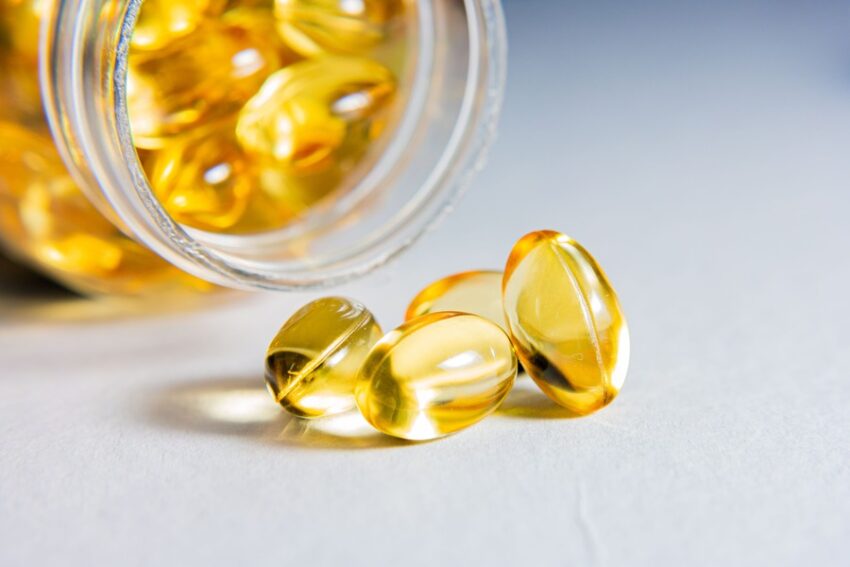
Omega-3 fats have been touted for the heart, brain and body. But just how much is enough? Omega-3 for Women does not mean women are to be taking a lot of supplements. It’s all about getting enough from regular foods. It doesn’t take much to include these healthy fats in your diet: from fatty fish to chia seeds.
Omega 3 fats are the necessary fats. They are hard to produce in the body. So, food becomes a significant source. The positive point is that there are no big changes in eating to make when adding omega-3 rich options!
Omega-3 and why women should care
Omega-3 fats come in a few types. ALA is one of them. EPA and DHA are the others. ALA is usually found in plant foods. EPA and DHA are mostly in seafood. Each one does its own work in the body.
For women, omega-3 may help with several areas. It can support the heart. This can also support brain function. It may help keep inflammation in a healthier range. DHA matters for the brain and eyes. The EPA level is linked to the body systems that support heart health.
Needs can shift over time. Pregnancy and breastfeeding are two clear cases.During those times, food needs may shift. Because of that, a woman may want to think about her full diet, not just a single target.
This is also why EPA and DHA for women can stand out. Including seafood in your daily meals ensures you consume EPA and DHA. The body has a limited capacity to create EPA and DHA, as it can produce only a small amount of both from ALA.
How much omega-3 should one take?
First, no single daily omega-3 amount fits every woman. Still, most public health groups suggest that people eat fish on a regular basis, especially fish with more fat, as part of a well rounded diet.
If you look at ALA, adults usually get about 1.1 g per day for women. But ALA is only part of the picture. DHA and EPA are important as well.
Instead of concentrating on just a single food, think about your variety of foods on a weekly basis. You can combine your proteins, for example, with salmon, sardines, trout, nuts, flaxseed, chia and certain additively enriched food products.
So your omega 3 can be built from more than one food. Some folks think it is easier to follow a mixed routine than to eat the same meal every single day.
Omega-3 foods you can eat
If you are shopping for omega-3 foods for women, check what is already on your plates. Then pick items that match your normal day. Salmon is a good option. It can be used in various kinds of food. Use it in a salad, wrap or on plain rice. Sardines also serve up easily such as on toast, mixed in pasta, etc. For those consuming plant foods, chia seeds are an easy option. Add it to yogurt or oatmeal.
You can also look at other omega 3 sources. Walnuts are one option. Flaxseeds help too, and you can add hemp seeds in small amounts. Some fortified products also contain omega 3. Ground flaxseed is perhaps one of the simplest things. You can add it into your smoothie or breakfast bowl and you are done.
One more aspect to be considered. Not every source gives the same omega 3 form. Plant foods mostly supply ALA. Fish gives EPA and DHA.
There is also fiber to consider. Many whole plant foods include fiber. That can help how to improve your gut health if you pay attention to what you eat every day.
Take it slow. You do not need to finish everything today. Just keep going step by step. Make one small swap. Put seeds on breakfast, or choose fatty fish at dinner.
Develop the Habit of Consuming Omega-3
You should regard varieties of food that are rich in omega-3 instead of rushing to perfectionism in this regard. A balanced plate can provide you not only omega-3 rich fats but also protein, fiber, vitamins, and minerals.
Women’s omega-3 needs always require consideration within the global context of nutrition. Focus on whole foods instead of processed foods and different meals suitable for the week.
Most importantly, mind your body’s needs. You should speak to your physician before using omega 3 supplements if you are pregnant or nursing or are taking any drugs.
Even little modifications in your diet can be significant. You don’t need to make a complex plan. In fact, good nutrition can start from as simple a step as putting a spoon of seeds into your breakfast or choosing some fish for dinner.