
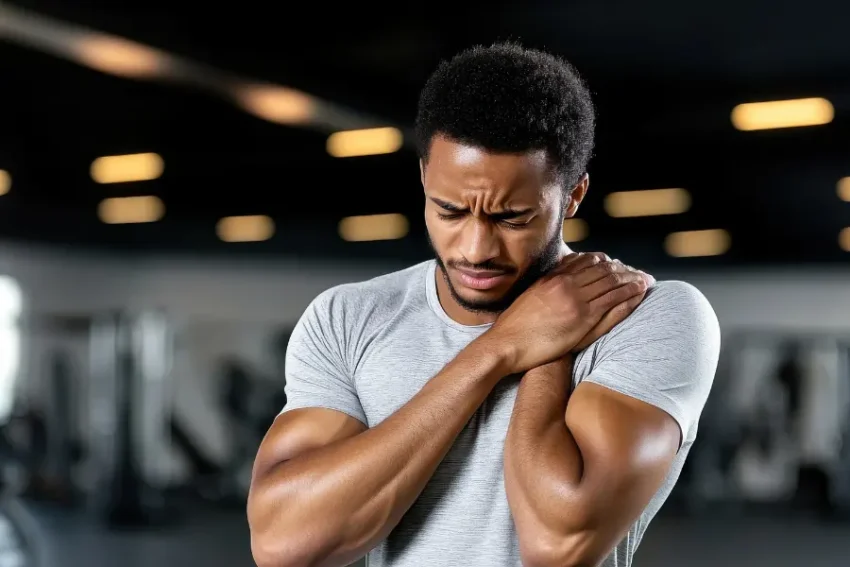
You began your workouts to achieve stronger and leaner and more confident physical appearance. But recently you began to notice a disturbance in your body. Your sleep pattern became less deep. Sudden mood changes occur more frequently. Your periods shift. Your motivation drops without warning. The body shows early overtraining symptoms through its diminutive signals which become more pronounced as time passes. Many people ignore them because they think that doing more work will result in better outcomes. Your hormones demonstrate a different truth.
Let us examine how discipline transforms into total exhaustion.
When hard work becomes your biggest opponent
The initial excitement of progress starts to fade away. You add extra cardio. Gradually increase your weight. You eliminate all your rest days. You believe that achieving results requires you to make severe sacrifices. Your body functions as a system which operates differently from a machine.
Excessive exercise without proper rest causes an increase in your body’s cortisol level. The immediate effect of the cortisol surge enhances your athletic ability. The body experiences disruption when cortisol maintains its elevated levels which affects estrogen and progesterone and testosterone and thyroid hormones. The body loses energy. The process of losing fat stops. People develop strong cravings.
You might experience ongoing tiredness together with mood swings and abnormal stomach swelling. Some people experience irregular cycles. People tend to retain abdominal fat even though they train vigorously. These problems do not happen by chance. The overtraining symptoms indicate that your body needs rest instead of receiving punishment.
Your body enters a state of emergency which activates the survival mechanism of your nervous system. You feel highly alert during nighttime hours while your body needs rest in the morning. You develop a strong desire to eat sugary foods. When exercises that originally motivated you are not the same, this lack of enthusiasm breeds psychological pressure.
The Hormone Imbalance You Don’t See
Hormones control far more than weight. They affect mood and sleep and metabolism and confidence. The excessive exercise pattern causes immediate effects which spread through the entire system.
Overtraining reduces progesterone levels for women. This hormonal imbalance leads to worsening symptoms of PMS and anxiety and sleep disturbances. Men experience testosterone drop which results in decreased strength gains and extended recovery periods.
The human body detects ongoing stress which causes a decrease in thyroid function. You might feel cold more often. Your hair may thin. Your metabolism may feel sluggish. Ironically, you work harder but see fewer results.
Many clients say, “But I eat clean.” Yet constant physical stress requires more than proper nutrition to achieve recovery. The body requires complete recovery to achieve successful training sessions. The body uses fat as a protective mechanism when you lack sleep.
Tracking progress through detailed measurement helps you identify performance decline points. Lifts feel heavier. Runs feel harder. Motivation fades. Your body requires restoration but you face repeated overtraining symptoms which people misinterpret as lack of discipline.
Why Rest Is Not Laziness
People feel guilty when they take rest days. However, rest builds muscle. Rest helps to maintain hormonal balance. Your nervous system undergoes restoration through rest.
Think of training like writing a sentence. The word intensity defines your training. Recovery exists as the duration between word segments. The existence of space between elements creates understandable content.
You should implement recovery methods instead of increasing your cardio exercise. The active rest period should include activities like walking and yoga. The needs of people are seven to eight hours of quality sleep. Within high-intensity training, the maximum amount of high-intensity training should be reduced to three or four times a week when required by the athletes.
The significance of nutrition is vital. You should select a balanced method instead of following extreme dietary restrictions. Your best diet plan for weight loss requires you to maintain hormonal balance instead of bringing your body to starvation mode. Your diet needs to contain protein sources and complex carbohydrates and beneficial fats and foods which provide essential vitamins and minerals. You should eat something before you start your workout. After finishing your workout, you should consume food.
Hydrating your body and maintaining proper electrolyte levels help improve your adrenal function. The process of making minor adjustments leads to major transformations which happen throughout extended periods.
People who respect their rest time experience better strength development. People achieve mood stabilization through this process. Their bodily functions return to normal. The signs of overtraining start to disappear after a gradual process.
How to Reset Without Losing Progress
You should begin to decrease training volume for two weeks. You need to continue exercising but you should decrease your workout intensity. The second step requires you to increase your daily calorie consumption when you have been experiencing extreme food shortages. You need to use breathwork and journaling to handle your external stress in this third step.
You need to listen to your body because it sends signals to you. Your progress becomes evident when your sleep patterns become better and your desire for food decreases. Your hormonal system is restoring balance when your performance improves.
Fitness programs should provide you with energy. The program should not exhaust your energy or lead to health problems. True strength requires understanding when to exert yourself and when to take a break.
Yourself should answer this question: Are you training for health, or are you chasing exhaustion?
Your body always speaks. The question is whether you recognize the signals before overtraining symptoms turn into long-term imbalance.
People need to know if you ever experienced guilt after taking a rest day because your body needed one.