
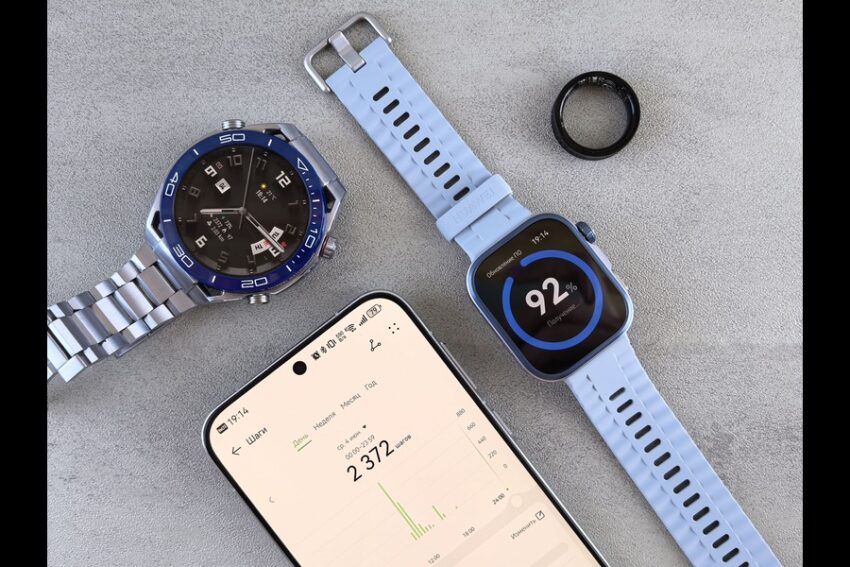
You wake up, pick up your phone, then look at the small ring on your finger. It lets you know you had a good night’s sleep. The ring shows your heart rate seems steady. It also suggests your recovery is getting better. That sounds great, right?
This is what people mean when they talk about smart ring health tracking. These rings have become more common in the world of fitness and health devices. They aim to take body signals from daily life and turn them into easy takeaways.
Still, the question stays. Can a ring this small actually help you understand your health?
Smart rings can track a few key things, but what do you really get?
These devices are really small, and can be left on for the whole day. They usually take measurements of heart rate, sleep characteristics, daily activity, skin temperature and blood oxygen.
With it, you can view more than one moment. You may spot changes in sleep after a rough day. You might also notice your resting heart rate goes up when you have not recovered well.
One number should not be used to convey the full picture. It’s not only if your sleep score is low that something is wrong. Your body can shift due to stress, trips, workouts, getting sick, or staying up late.
Do smart rings really make wellness better?
A big reason people like them is ease. There is no need to start a session or type in notes. The ring gathers data in the background while you live your day.
Some people then use that data to look for links. After a solid night of sleep, you may feel like your mood is less up and down. You may also find it is easier to recover when you actually get some rest. Over time, these small habits can help you keep steady.
There are other upsides as well. If you can see patterns in your movement, sleep, or recovery, you might feel more willing to keep going. You may also shift your bedtime so it matches your own needs.
Nonetheless, it is important to note that there is a limit to what wearable devices can accomplish. The device may indicate a trend in the body’s performance, though a health care professional or medical examination cannot be substituted by it. It is important to rely on the readings but never consider them to be diagnostic information.
Sleep and Recovery in Daily Activities
People talk a lot about sleep features in smart rings. With smart ring tracking, you can see things like how long you slept, when you went to bed, and how your sleep changes overnight.
Picture this. You lay down almost at the same time every night. As a result, after a week, you may notice a pattern shown in the data from your ring. And it may show that using your phone late at night may lead to worsened sleep. Even a small tweak in your daily routine may help you adhere to it better.
Recovery is another useful piece. If you train often, the data can show when your body may be ready for rest. For example, you might see that hard workouts and weak sleep line up with slower recovery days.
Nutrition is a bit different. A smart ring will not pick a best diet plan for weight loss. Still, it can point out how your sleep, your movement, and your day to day activity all fit together.
Should You Trust the Numbers?
Smart Ring Health Tracking needs a bit of common sense.
Wearables can help you see trends. Still, their numbers can shift. One ring uses its own sensors. Another device may use other methods. Even when you wear your ring the same way every day, sometimes it doesn’t feel that way.
So do not fixate on each single result. Watch what builds over weeks, not over minutes.
Sometimes you might see a strange heart rate number. It could mean nothing at all. A change that keeps showing up across several days is more worth noting. If it does, you might want to check in with a doctor or other health worker.
In the end, Smart Ring Health Tracking is meant to help you notice your own patterns. It should not push you into stress over every reading.
Health is more than a dashboard. It is your choice day to day. It shows up in how you sleep at night. You can see it in the way you go about your daily activities. It also shows up in what you eat. Then there is the way you recover after effort. And it shows in how you feel, too. Smart rings can point you toward useful hints. The key is to use those hints wisely, without letting them ruin your mood.
That is likely the best way to use health wearables. Keep track of the data, but also pay attention to your body.