
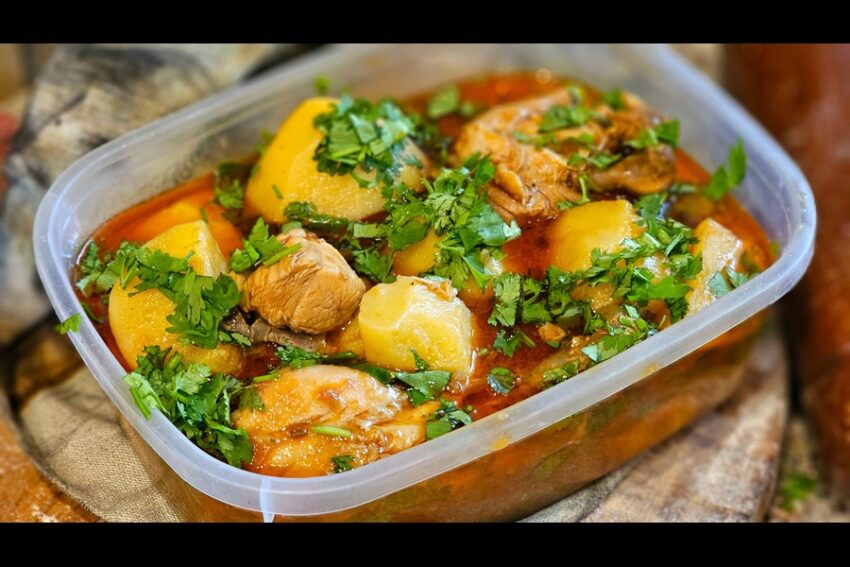
You eat dinner, Leftover Food Safety. After that, you put it away in the fridge. The next day, you warm it up and eat it again. It sounds routine.
Small mistakes can turn leftovers unsafe. Food can spoil fast. Germs can also grow if it is handled carelessly. So leftover safety is really about cutting down that danger.
Use a few simple routines to keep your food in good shape. That also helps you waste less and spend less.
1. Put leftovers away before they get stale
Say you made a large batch of rajma for lunch. After you finish, there is still food left. Do not leave it on the counter for hours. Store it right away.
The refrigerator is the best place for leftover perishables if they are placed inside within 2 hours after they were cooked. If it’s warm in the room (higher than 32°C), refrigeration should be done in an hour maximum. You need to pay attention to that as food that gets warm is a good breeding ground for bacteria.
One more point: do not put a big hot pot straight into the fridge. Spread the food into small shallow dishes instead. A fridge that cools quicker and stays colder will get the advantage.
Put the refrigerator at 0°C or less. Cover leftovers in containers that are clean and place them together at room temperature. Also write on each container with what day it was left over. By this, you’ll know which one to eat first.
2. Leftovers are not all safe for the same length of time
Some foods change faster than others. Rice is one of the main ones to watch. Veggies can spoil sooner too, depending on how they were cooked and stored. Meat needs extra care. Another drawback to Curry is that it doesn’t keep well if left out.
Most leftovers will last for 3-4 days in the fridge. Store them immediately after cooking, then seal and cover them.
Here are some helpful hints:
- Cooked rice and pasta: Place in the refrigerator and eat within 3-4 days.
- Plan to use cooked vegetables and curries in 3-4 days.
- Cooked chicken and meat: Usually good in the fridge for three to four days.
Frozen food needs a different rule. Freezing can hold food quality for a while. The length of time that is truly safe changes. It depends on the item and on how it was stored before freezing.
One more thing to know. Freezing will not turn bad or risky food into safe food. It only slows down how germs multiply. It does not undo problems from earlier.
Freeze leftovers in individual portions for later if not to be consumed within a few days. This will make it easier for you to take a portion later. It can also save on food waste.
3. Reheat Leftovers Safely
You pull out yesterday’s dal and plan lunch. First, warm it up and then test your guess. You may believe it is ready, but you need to be sure it will be hot enough.
Reheat leftovers to 74°C. If you can, use a food thermometer. This is best for meat, poultry, and fatter foods.
If using a microwave, stir every few minutes. Cold spots can hide in the corners, and stirring helps even that out.
When you heat food, cover it. The cover helps it stay moist. It also helps the heat move through more evenly.
For soup, gravy, or sauce, heat until it is bubbling well.
Don’t keep warming the same food over and over. Only scoop out what you plan to eat, heat that part, and save the rest for later. This small routine supports Leftover Food Safety and also helps the food taste better.
Do not use your nose or your eyes to decide if food is safe. If you left leftovers out too long and they were not in the fridge, throw them away, even if they look or smell okay.
4. Add Food Safety to Your Daily Health Routine
Food safety is not just about avoiding nausea. It also helps meals turn out better, so they feel full and right.
Cooking at home gives you more control. You can select meals to coordinate with your day. Add vegetables, whole grains, and foods that provide protein. Planning portions also can have a significant impact.
Storing food the right way helps you later. When days get busy, it is simpler to pick a healthy option.
Begin by taking some small steps for the belly. To how to improve gut health, eat foods with more fiber. Try eating other fruits and vegetables. Make sure to drink plenty of water every day. If they’re OK for you, also be on the lookout for fermented foods. Despite this, a single meal that you do not prepare properly can still make you sick. Wash your hands before preparing and cooking food. Don’t let raw meat or poultry come in contact with cooked meat or poultry. Use cutting boards that are clean. Wipe the counters often during prep. These steps can cut down how easily germs spread around your kitchen.
Leftover Food Safety are usually easy if you store them right. Put the food in the fridge soon after you are done eating. Store it the right way. Reheat it until it is hot all through. After that, your next meal can taste just as satisfying as the first.
So the next time you save dinner, take a minute to be careful. That small effort can help tomorrow’s meal stay safer and easier to enjoy.