
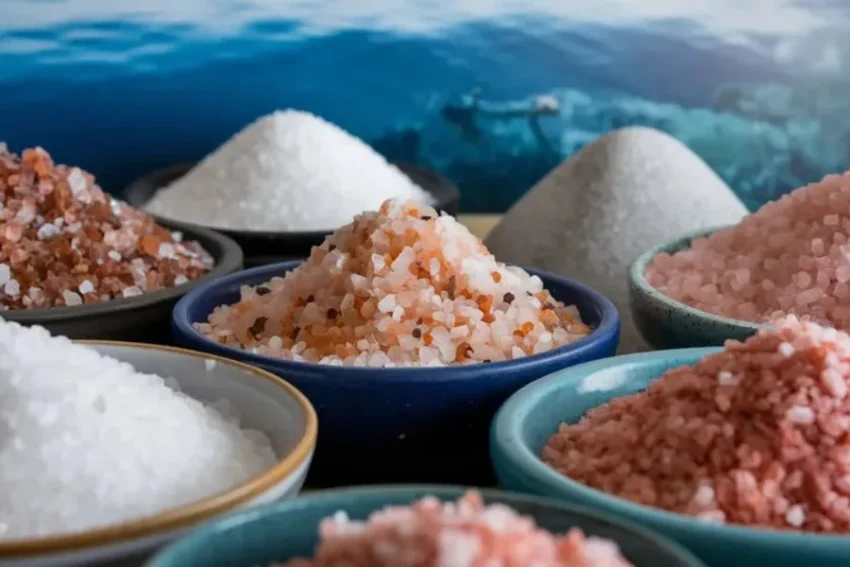
You open a packet of chips, pour water into a plastic bottle , or heat leftovers in the microwave without even thinking about it. But, what if those little plastic bits slip into your body during these everyday moments? This is the reason Microplastics in Food is suddenly getting so much attention. Researchers keep spotting those nearly invisible particles in seafood, salt, fruits , bottled water, and even tea bags. So, a lot of people wonder, seriously, what these fragments might do over the long run.
They’re incredibly small , yeah, but they might still set off bigger issues later on. Even if the science is still unfolding, a lot of experts say that continual contact could throw off hormones , digestion, and immunity. So when you learn where microplastics come from and how they travel, you can make more subtle , smarter choices every day.
What Exactly Are Microplastics?
Microplastics are those tiny bits of plastic , smaller than about 5 millimeters or so. Most of the time they come from worn out plastic refuse, food wrap, man made fabric, and disposable items. Then, little by little, sunlight , warmth , and water manage to split bigger plastics into smaller bits, like a slow grind. After that, the particles drift into rivers, oceans, fields, and also into what we end up eating.
Lately , researchers have been seeing Microplastics in Food almost everywhere. Seafood can carry them because marine animals end up swallowing the dirty particles in the water column. Likewise fruits and vegetables can take in tiny plastic fragments from contaminated soil. Even bottled water, sometimes contains more plastic particles than tap water does, it’s kinda wild.
This whole situation feels pretty shocking because plastic has become part of everyday life. But somehow, people still seldom think about what comes next once plastic breaks down. Unfortunately, those undesired traces of plastic are frequently returned to our plates on unintended occasions.
What effect could microplastic have on personal health?
The research about how microplastics affect individual health has yet to be determined. Still, the early findings bring up a few questions that are hard to ignore. Some studies hint that these tiny particles might spark irritation, cause hormonal imbalance, or mess with digestion. Also, some plastics are known to hold chemicals that have been tied to health concerns, not just “sort of” but more seriously in certain reports.
A lot of people already deal with bloating, sluggishness, and rough digestion, often because of everyday choices that aren’t very friendly to the gut. And now, many experts are wondering whether contact with plastic could quietly push those symptoms even further. Even though solid proof is still being gathered, cutting down exposure feels like a reasonable move right away.
On top of that, gut health is a big deal in this whole discussion. Your digestive system doesn’t just deal with food. It also helps with your immune defenses, your energy levels, and your general wellness in a wider sense. So if you focus on ways how to improve gut health it might help your body cope with outside stressors more steadily even when the stressor is environmental, like air or surroundings.
Simple habits can support digestion in a more natural way, like it sort of helps you stay steady inside:
Try eating more fiber packed meals, such as fruits and oats
Make sure you drink enough clean water each day
Cut down on ultra processed foods
Include probiotic foods like yogurt or kimchi, they can be quite helpful
Don’t warm your food in plastic containers, ideally
These tiny adjustments could help guard your body over the long run, while also lifting your everyday health a bit.
Everyday habits that quietly raise your plastic exposure
Most people do not really notice how often they run into plastic in a single day, it’s everywhere. Things like take away containers, disposable cups, and sealed packaged snacks, just stack up without you thinking about it. Also, when you warm up meals inside plastic containers, it tends to release extra particles right into what you eat.
There is another less obvious channel too, not just food. Synthetic clothing matters a lot, like a major deal. Polyester and nylon clothing releases the tiny plastic fibers into rivers, lakes and other waterways with every wash. Later, the fibres may reappear via food, in particular seafood, or even drinking water. Kind of a full circle thing.
So, awareness matters way more than panic. You don’t really have to throw plastic completely out of your life, and well, that’s usually not realistic. What seems to help most is leaning into practical habits, that shrink needless contact, like reduce it gradually in an organized way.
Try these simple swaps:
Try glass or steel water bottles , not the disposable kind, ok.
Keep leftovers in glass containers, rather than plastic tubs or whatever.
Also bring those reusable shopping bags, it saves a bunch of hassle at the store.
Whenever you can, pick fresh foods over heavily wrapped or overpacked items.
And try to dodge single use plastics as much as possible
Sure these habits seem tiny , but taken together they really add up to a healthier daily life.
Should you be worried, really?
When you hear about invisible plastic inside food it can feel pretty worrying. But, panicking never makes it better. A more useful route is awareness, a bit of balance, and smarter day to day choices. Researchers keep digging into what microplastics in food might do over the long run, and well… we should start seeing clearer answers as the next few years roll by and all, because right now it’s still a bit murky.
In the meantime, turning toward cleaner habits can really help with your physical ease and also your mental steadiness. Going for fresher meals, dial back plastic use, and support your gut health they all point toward a more hopeful future overall. Wellness, a lot of times, starts with small daily decisions , even when they seem minor.
So the next time you open a plastic package or you sip bottled water, you might pause and think a bit differently. Small choices today could quietly shape your health tomorrow.