
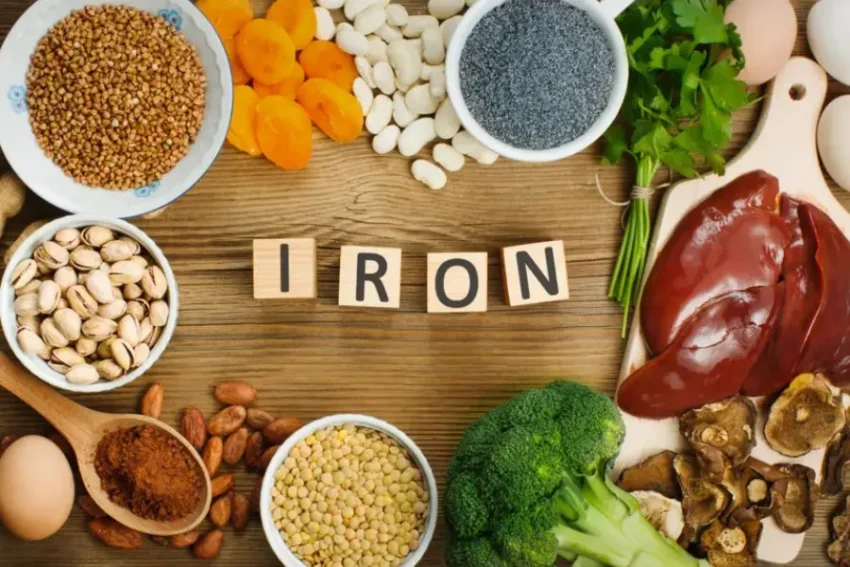
A woman that I ran into was a superb exemplar of a healthy life because she dieted, worked out, and took her vitamins without fail. Still, she was constantly more exhausted than usual, had a swollen stomach, and her weight remained stable neither way; she neither lost any nor gained any. Finally, blood tests revealed the truth. It had been excessive iron that had caused all her problems by slowly but surely messing up her body. Sadly, many people do not know about this habit as the symptoms of iron overload are pretty much the same as those of stress or hormonal imbalance.
Iron is an indispensable mineral for life, but the proportion is what matters. The minute the metal piles up to a point that is more than the body can handle it triggers a storm in the body. The hormonal system becomes unbalanced, the digestive system becomes affected, and the level of inflammation increases. A thorough discussion on the procedure that you would possibly undertake to enter and assist is what we are going to have.
How Excess Iron Disrupts Hormonal Balance
Hormones are in the state of harmony. An overabundance of iron disrupts that balance. The excess iron raises oxidative stress, which in turn has a direct effect on the thyroid, insulin, and reproductive hormones. Women may experience irregular periods or weight gain that is hard to lose. Men usually have less energy and longer muscle recovery time.
Iron also has a negative impact on insulin’s ability to work effectively. This leads to bigger fluctuations in blood sugar than usual. Fat started to accumulate in the body due to these interruptions. As the cortisol remains oftentimes high, the cycle of the body entering into a state of survival continues.
This situation is often accompanied by mood swings that are hard to explain. Brain fog, anxiety, and poor quality of sleep often occur after that. These are the typical symptoms of iron overload which people are still not aware of it being the iron itself.
The Gut Connection No One Talks About
Your tummy is the first to know. The presence of an overabundance of iron within your diet leads to a greater proliferation of pathological gut flora, which leads to a correspondingly decreased volume of beneficial gut flora. The result of this imbalance is bloating, constipation or diarrhea, depending on the extent of the imbalance between the two groups. The nutrients provided by the food you consume decrease when your body becomes iron intolerant, even if your dietary choices would be classified as impeccable.
Iron causes irritation to the gut lining. This irritation can result in increased intestinal permeability, which is often referred to as “leaky gut.” In this situation, inflammation spreads over the entire body and not just the digestive system. The symptoms of skin problems, joint pain, and food intolerances start to show.
If it is a constant feeling of heaviness that you experience after meals or you have a problem with slow digestion, iron might be a concealed culprit. The digestive distress caused by iron overload is still considered one of the most neglected symptoms of iron overload today.
Signs Your Body Might Be Storing Excess Iron
Iron excess does not usually come with a loud announcement. It manifests in minor daily uneasiness and discomforts. One example is persistent tiredness in spite of sleeping well. The accumulation of fat in the abdominal area can happen without any changes in diet. Another example is hair getting thinner and skin losing its luster.
A few individuals report having headaches or heartbeats that they can feel very frequently. Others just realize that they have low motivation and that their emotions are flat. The gradual progression of these signs is the reason for the late diagnosis in most cases.
You should listen to your body. When several iron overload symptoms appear at the same time, then testing is a must. Ferritin levels provide more precise information than regular iron tests.
Eating Your Way to Health: A Healthier Way to Wellness
The food we eat has an enormous effect on how we restore balance in our bodies. The first step is reducing iron absorption very gently rather than aggressively. For the time being, I suggest limiting your consumption of red meat and iron-fortified foods. Do not eat iron-rich foods and vitamin C-rich foods together.
Another thing to do is increase your fiber consumption. Dietary fiber assists in binding up excess iron in your gut and maintaining the well being of your gut. Include dark green vegetables, whole grains, and psyllium husk seeds in your diet. Furthermore, consider adding more polyphenol-rich foods such as green tea, turmeric, and blueberries to your table.
This diet plan is the most practical method of losing weight at the beginning stages for those trying to attain balanced hormones and sustainable results. It supports the best diet plan for weight loss because it lowers inflammation at the root level. Once hormone levels are stable, fat loss becomes much easier and maintainable.
Along with hydration supporting the body’s various detoxing systems, adding light exercise (walking or yoga) will improve the body’s ability to circulate and regulate iron. Always seek medical advice before changing these diet practices or donating blood.
Iron itself doesn’t pose a threat; rather it’s the excess that is the enemy. Healing is not that hard when the signals are properly deciphered. Taking iron overload symptoms early protects your hormones, gut, and thus your long-term energy. Indeed, sometimes less is more.