
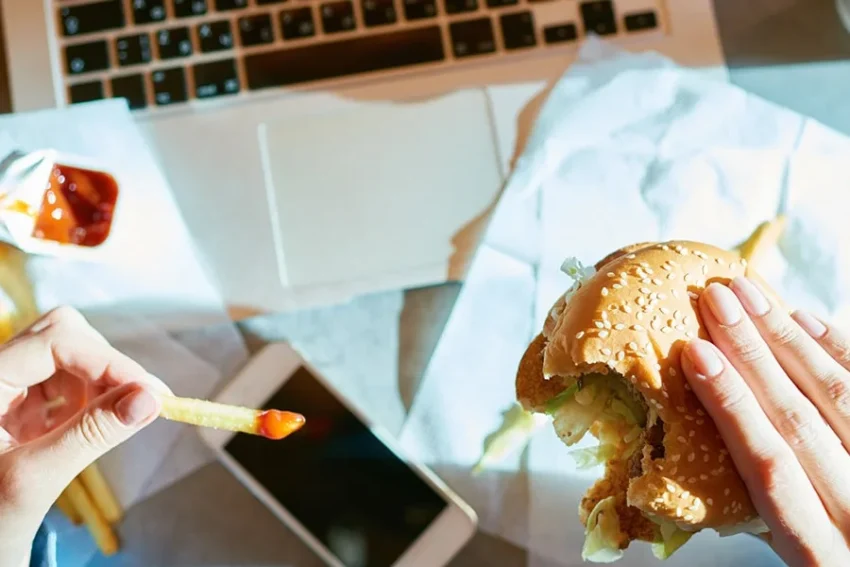
Life feels way easier than ever. Meals show up at your door in minutes, work happens from your couch, and entertainment sits there with one tap. Sure, these comforts save time, but they also carry a not so obvious bill. A lot of specialists now connect our modern routine to the rise of lifestyle diseases, so it feels like one of the biggest health worries right now. Long hours of screen time, less walking around ,and daily habits that are less than great quietly press on your body. Because of that, preventive care has become way more important than it used to be. The good part is, with small adjustments you can stay healthier ,and still keep the modern bits that make life easier.
Convenience Is Quietly Changing the way we live
Imagine this, you wake up and you sort of automatically check your phone, before you even sit up in bed. Breakfast somehow arrives through a delivery app, the meeting talk happens online, and the night usually ends with hours of streaming whatever you like most. It feels normal because that is essentially how almost everyone acts, day after day.
But this routine nudges people into a sedentary lifestyle, like, in slow motion almost, and it gradually chips away at physical activity. Instead of taking the stairs, folks end up leaning on the elevators, like it’s some simple alternative. Instead of cooking, they go for quick meals. And even shopping becomes a “from the sofa” thing. At first it doesn’t seem serious, yet bit by bit these choices promote physical inactivity, weight gain, worse posture, and that lower energy level you notice later.
A lot of people think they’re fine, because nothing “feels wrong” right now. Unfortunately the body does not always alert you immediately. Sometimes the warning signs show up much later. And that is why lifestyle diseases like obesity, type 2 diabetes, high blood pressure, and heart disease keep rising across nearly every age group, even when people think “everything is fine”.
Why being comfortable Is not always good, for your body
Convenience is not really the enemy. The trouble starts when “comfort” shows up and replaces movement and even healthy routines too. Like, when you end up sitting for too many hours, your blood flow gets worse, and your metabolism begins to slow down. Too much screen time also messes with sleep, raises stress , and it quietly pushes this sort of autopilot eating, mindless snacking.
At the same time, processed foods are more reachable than fresh meals, like they are always right there when you turn around. With busy schedules, people often end up choosing options that feel quicker… even if they are not good. And after weeks and months, those little decisions stack up, sneaky, you know.
The good part is your body, it does respond well to better habits, or so it seems. A short morning walk, pretty much daily, consistent stretching, drinking enough water, and making balanced meals at home can end up causing a noticeable change after a while. If your goal is to manage your weight, then following a best diet plan for weight loss and being active every day is much more effective than relying on quick fixes or extreme crash diets.
Mostly, though, keeping Preventive Health in the spotlight helps you handle issues before they turn into bigger problems. Taking prevention is always easier than dealing with treatment.
Small Daily Choices, Create Big Health Results
You don’t really need a full lifestyle makeover, like, right away, to feel better. A lot of the time it is less about some big dramatic reset, and more about small habits that glide into your day without you noticing.
Try doing short walking breaks about every hour if you sit at a desk most hours, it can help more than folks admit. Swap sweet drinks for plain water, or herbal tea, and let that be your default mode. Also aim for homemade meals a few times a week instead of grabbing takeout every single day. For another improvement, limit extra Screen Time before bed. This tends to support better sleep quality, and you’ll notice it pretty quickly.
You can’t do Building Healthy Habits perfectly, it’s about consistency! Any activity that gets you up and moving, like a 20-minute walk or a well-balanced breakfast, is a way to keep your body active.
These small actions lower the risks tied to lifestyle diseases, and they also boost your energy a bit, your mood, and general well being. Gradually, it’s like they get woven into your day to day routine, so it doesn’t feel like hard chores, but more like something you just do, you know.
Choose balance not convenience, every time
Modern tech has made life simpler, and it’s absolutely fine to use those perks. The tricky part is figuring out when convenience starts steering your health, a little at a time. Every choice you make today ends up echoing tomorrow, in ways you maybe don’t notice right away. It builds up quietly.
Instead of dodging technology altogether, pull it into your daily rhythm with intention. Utilize timers and prompts to facilitate movement, monitor water consumption, or schedule workout sessions. Also make space for fresh meals, short outdoor strolls, and small stretches of real downtime away from screens. These few choice habits help safeguard both your body and your mind, even when everything is moving fast.
Keep in mind that good health is built through daily choices, not just sudden efforts. If you keep a balance between ease and motion, proper nutrition and mindful living, you’re basically giving your body the right backing it really wants. At the end of the day, lifestyle diseases don’t have to be something inevitable in modern life. By making better decisions and providing consistent care, you can enjoy everyday convenience without compromising your long-term health.