
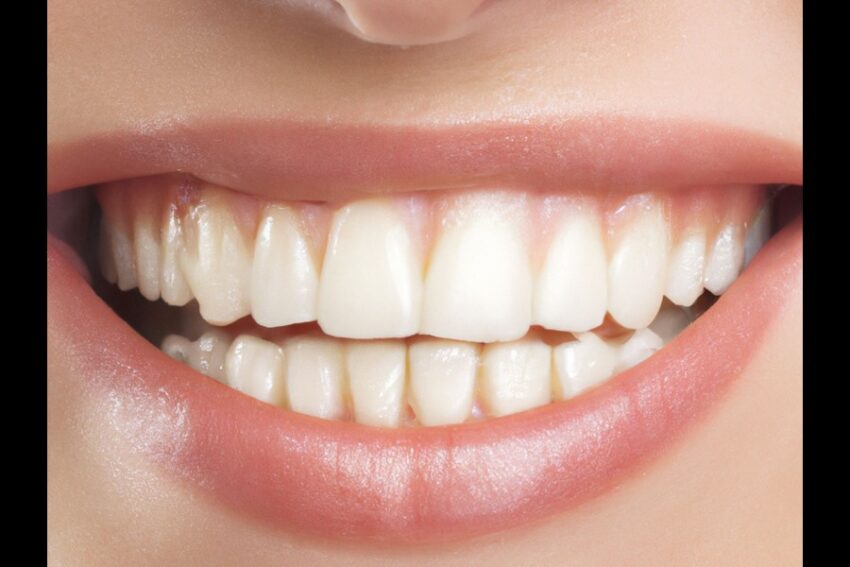
You finish a snack and think, “That was tasty, so it can’t hurt anything.” Still, your mouth does not see it the same way. Each bite changes more than your mood and energy. It can also shift how your teeth and gums respond. It may even change the bacteria in your mouth. This is how oral health and nutrition connect. What you eat each day can help you keep a strong smile. It can also set the stage for cavities, gum trouble, and enamel wear.
Good news here too. You do not have to eat perfectly. Small choices, made more often, can really help.
Your mouth keeps track of what you eat
The first step of eating and drinking is the mouth. If the food is sweet, it helps bacteria greatly develop in the plaque that collects on the teeth. These bacteria produce acids. The acids wear down the enamel. If this happens again and again, your chance of getting cavities goes up.
But sugar is not the only issue. Many highly processed foods do not bring as many useful nutrients. Your teeth and gums still need those nutrients. Some choices do better. Crunchy vegetables can help. Dairy can help. Nuts and seeds can help too. Foods that carry more nutrients tend to support oral health.
That is why an approach called Nutrition for Oral Health looks at your full eating routine. It is not about one special food that fixes everything.
Think about a normal afternoon. You can select a sugary beverage and something with a wrapper to eat. Or, you can get water, fruits, and nuts. Although both options serve the purpose of satiating your hunger, the experience of eating both is different.
Food Items To Protect Your Teeth
When we talk about Healthy Food for Healthy Teeth, calcium is an important element. Some examples of dairy products are milk, yogurt, and cheese which contain calcium and other minerals which are required for your teeth to be strong. Of all the products mentioned, cheese is the one that stimulates saliva production and thus helps in washing away the food particles and acid.
Vegetables and dark greens are effective in preserving healthy tissues due to their high vitamin and mineral content. Apples, carrots, and other crunchy foods are responsible for stimulating the secretion of saliva and adding to the meal variety.
Look after your teeth and gums.
If your gums feel sore, try eating more foods with vitamin C.
Oranges help.
Blueberries help too.
Bell pepper works well as well.
Broccoli is a good pick, and there are other options.
Also, choose foods with protein.
Protein gives key nutrients.
Those nutrients help keep the tissues in good shape.
While creating a diet plan consisting of Foods for Healthy Gums, include as many different dishes as possible since the gum health relies on vitamins, proteins, and numerous essential nutrients present in your meal.
The Gut and Mouth Link
People often talk about ways how to improve gut health. Still, you may wonder what that has to do with your smile. The gut and the mouth both host many tiny life forms. What you eat can shift the conditions in both places.
Try to eat in a calm, regular rhythm. Try to mix it up in your meals with more fruit and veg. Go for whole grains if possible as opposed to refined ones. Remember beans and nuts for more sustenance. Fermented foods are essential for your diet. With the elimination of added sugar from your diet, everything falls into place nicely. It can also be good for your teeth.
This does not mean the gut and the mouth work the same way. They are not identical. The key point is different. Your body is one connected system.
Consequently, nutrition and dental hygiene ought to be considered in tandem and not seen as unrelated issues.
Minor actions could benefit your dental health
Actually doing good or eating is not equivalent to denying yourself dessert absolutely. You can snack and munch on sweets from time to time although it is vital to monitor the amount of the snack you consume and when you eat it. In case you feel the urge for a sugary soda drink and are keen on having a quick drink, stop. Grab a glass of water and drink it instead.
You can also try easy lunch changes. More vegetables are welcome to accompany your meals. You should choose plain yogurt for these meals and try nuts instead of sweet snacks. Over time, these swaps can make your overall eating better.
The importance of proper tooth brushing and flossing is conventional knowledge. Although nutrition is important for dental health, it does not take the place of daily hygiene habits or dental checkups.
All in all, Oral Health is associated with Nutrition. The substances that you consume have the power to affect the microenvironment in your mouth. If you make use of daily proper habits, good nutrition, and take care of your teeth, you will have an opportunity to ensure the health of your teeth and gums for a long time.
Your next meal is not only food; it is one more chance to take care of your oral cavity.