
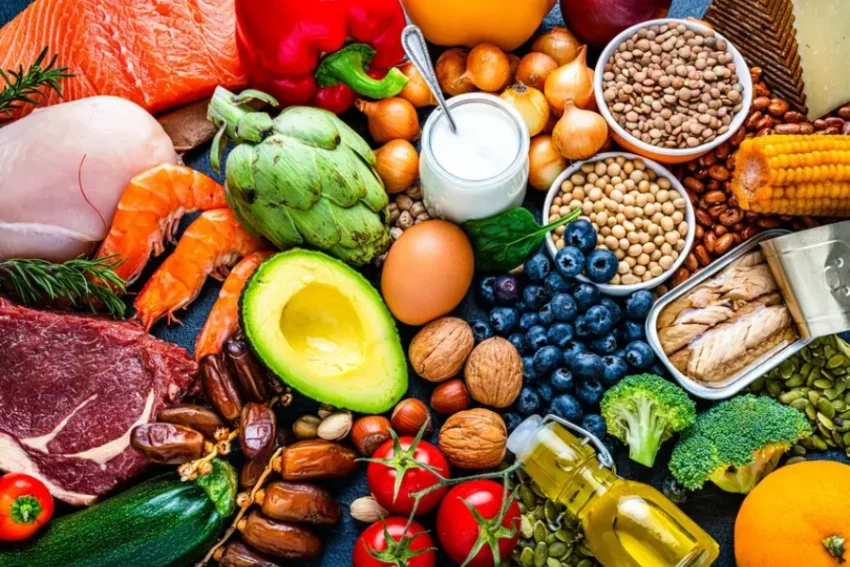
A few months back, many people on the internet began posting pictures of colorful meal bowls filled with beans, seeds, vegetables, herbs, and fruits. At first , it looked like yet another food trend. But nutrition experts pretty quickly said, well, there’s a real reason behind it. The 30 Plant Challenge is not about eating less at all. It’s more like a nudge toward eating more variety, for better gut health, stronger energy, and smoother digestion. And somehow, this little challenge has become part of the best diet plan for weight loss too, mainly because it helps people feel full and happy, while still making healthy food choices that are naturally healthy.
The basic idea sounds easy. Try to eat 30 distinct plant-based foods across one week. This can include things like fruit, vegetables, nuts, seeds, legumes, herbs, and whole grains, all combined together. You don’t have to go vegan or follow strict rules . You just add more colorful, and more natural foods to your meals, one by one, that’s all.
Why Variety matters more than you think
People typically end up eating the same foods day in and day out. Like breakfast could be bread and tea , lunch might be rice and curry, dinner usually repeats similar ingredients too. Even if that routine feels comfortable, it quietly narrows down the nutrients your body actually gets, in a way that you don’t notice right away.
Nutrition experts say that various plants support different groups of helpful bacteria in your gut. So the more variety you eat, the better your gut microbiome tends to become . A healthier gut can help with digestion, strengthen your immune system, and even support your mood . Also, a lot of people report improved skin and more stable energy, after they follow the 30 Plant Challenge for a few weeks, which is kind of surprising, honestly.
What’s interesting is that the 30 Plant Challenge doesn’t force you to count calories all day. It pushes you toward smarter food decisions instead. And as a result, many people naturally cut back on junk food because they start liking fresh , satisfying meals more often.
Easy Ways to Finish the Challenge
At first, eating 30 plants in one week sounds kind of difficult. but once you start counting the ingredients carefully it turns out surprisingly easy. For example, one simple salad might already include lettuce cucumber tomato onion carrot and coriander. That’s six plants, in a single meal, if you count them right.
Also, small additions do a lot . Like sprinkle chia seeds on yogurt, add mixed beans to lunch , or snack on almonds and walnuts, you know. Even herbs and spices count toward the goal so those “extra” flavors matter more than you’d think, honestly. In fact, your normal meals can be made healthier without tasting the same.
Smoothies work pretty well too for busy mornings. Blend spinach, banana oats, berries and flaxseeds together. In just one glass, you can stack a few plants into your weekly total. Also, colorful meals feel more spirited and satisfying, even when you’re basically doing the same recipe, over and over a bit.
The Link Between Gut Health and Shedding Weight
A lot of people jump into the 30 Plant Challenge for easier digestion, but then they also start seeing weight changes, like kind of casually at first. This often occurs because fiber heavy foods keep the stomach feeling full for a longer stretch of time. So, later on , cravings tend to drop off on their own through the day, not because you’re forcing it.
Unlike those crash diets that feel stressful and fast, the challenge usually feels more grounded and kind of pleasant. You do not need pricey supplements, or a jumbled tangle web of intricate meal plans. Instead, you add whole foods and gently steer your eating toward better decisions, rather than just cutting out everything you like. Because of this steadier method, many nutritionists now bring up plant variety when talking about a smart diet plan for weight loss.
There’s also the big issue of sticking with it. Harsh dieting attempts often fall apart, mainly because they feel too limiting. With this challenge, there’s more room for flexibility and small creative tweaks. You can still eat your go-to dishes while making them healthier by tossing in extra vegetables , a few seeds, or swapping in better grains.
Making Small Changes Can Lead to Huge Successes
Another thing to keep in mind is that you do not have to achieve perfection in order to be successful; it is acceptable to be less than perfect or to use “gourmet” recipes or high-end foods if they are not easily available for you. Start small then build slowly. Swap processed snacks for fruit, try a new vegetable each week , or switch white bread with whole grains, you know, something easy and doable.
Over time, those little habits can completely change how you feel about food. Beyond that, they boost your sense of capability and vitality without the harsh pressure of strict dieting. That is exactly why the 30 Plant Challenge keeps showing up, trending across social media and wellness communities.
In the end, this challenge is not only about counting plants. It is also about finding better eating habits in a simple, enjoyable kind of way. The next time you cook a meal, take a moment to ask yourself how many more plants can you include today?